


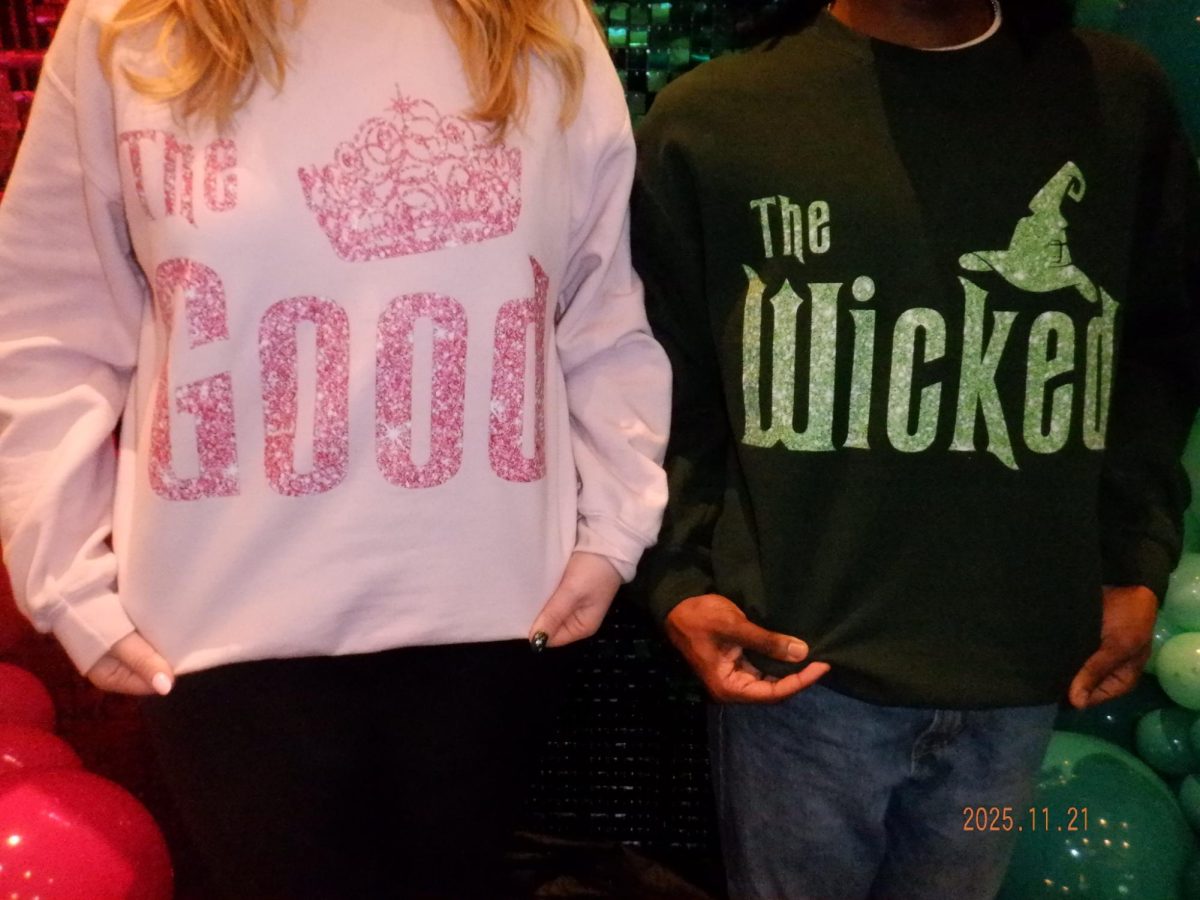










For generations of students, The Wizard of Oz has been a staple, a simple journey from black-and-white Kansas to the vibrant, magical world of Oz. It’s the quintessential tale of good versus evil: Dorothy is the hero, and the Wicked Witch of the West is, well, wicked. But the phenomenal musical Wicked: The Untold Story of the Witches of Oz doesn’t just retell that story-it cracks open the familiar narrative, forcing us to ask: What happens when the “villain” gets to tell her side?
Wicked isn’t just a prequel; it’s a profound exploration of perception, showing how the powerful mechanisms of fear and propaganda can turn a flawed but fundamentally decent person into a monster. The musical introduces us to Elphaba, a brilliant, passionate young woman who simply happens to be green, and Galinda (later Glinda), the popular, initially superficial blonde. Their complex friendship is set against a backdrop of increasing political unrest in Oz, where the beloved Wizard is secretly suppressing talking Animals- a clear injustice that Elphaba fights against.
The core genius of Wicked is that it leverages the same psychological mechanism seen in political campaigns: The need to simplify the world into Heroes and Villains. As Elphaba challenges the Wizard’s tyrannical control, the Wizard and Madame Morrible actively manipulate the narrative. They seize on Elphaba’s unusual appearance and her defiant actions to brand her as “The Wicked Witch of the West.” Her attempts to do good (like exposing the Wizard) are twisted into acts of evil (like defying gravity and destroying property). The people of Oz, fearful and conditioned to obey authority, readily accept this easy narrative. They don’t look past her green skin or her unconventional behavior; they simply embrace the easy cognitive shortcut that she is a monster.
In essence, Wicked shows us that the “wickedness” we saw in the Oz film was less about intrinsic evil and more about a campaign of character assassination. It’s a brilliant exercise in social commentary, teaching us that the stories we are told-especially those that simplify complex figures into pure good or pure evil- are often serving the interests of those in power.
By giving the “Villain” a voice, Wicked not only enriches the world of Oz but serves as a powerful reminder for all of us to look beyond the surface, challenge the dominant narrative, and question who benefits when someone is branded as “wicked.”